
Grounding Practice
Grounding is the practice of returning to the present moment through the body — to the felt weight of the feet on the floor, the breath moving through the body, the physical reality of being here, now. When everything is moving, grounding is the first intervention.
Body, breath and earth connection to restore presence when life feels overwhelming.
Not a metaphor.
A physiological event.
When people say they feel “ungrounded” — scattered, anxious, pulled in multiple directions, unable to land anywhere — they are describing a real state of the nervous system. Attention is fragmented. The body’s sense of its own weight and position is diminished. The system is operating in a kind of emergency mode that keeps it scanning for threat rather than resting in the present.
Grounding practices work by giving the nervous system specific, concrete, sensory information: the weight of the body, the texture of the floor, the movement of breath through the belly. This information signals safety — that there is something solid to stand on, that the body is here and intact — and creates the conditions for the nervous system to begin to settle.
It is not complicated. But it requires actual attention — which is precisely what grounding restores.
Grounding practices
from the DYW method
Feet on the Floor
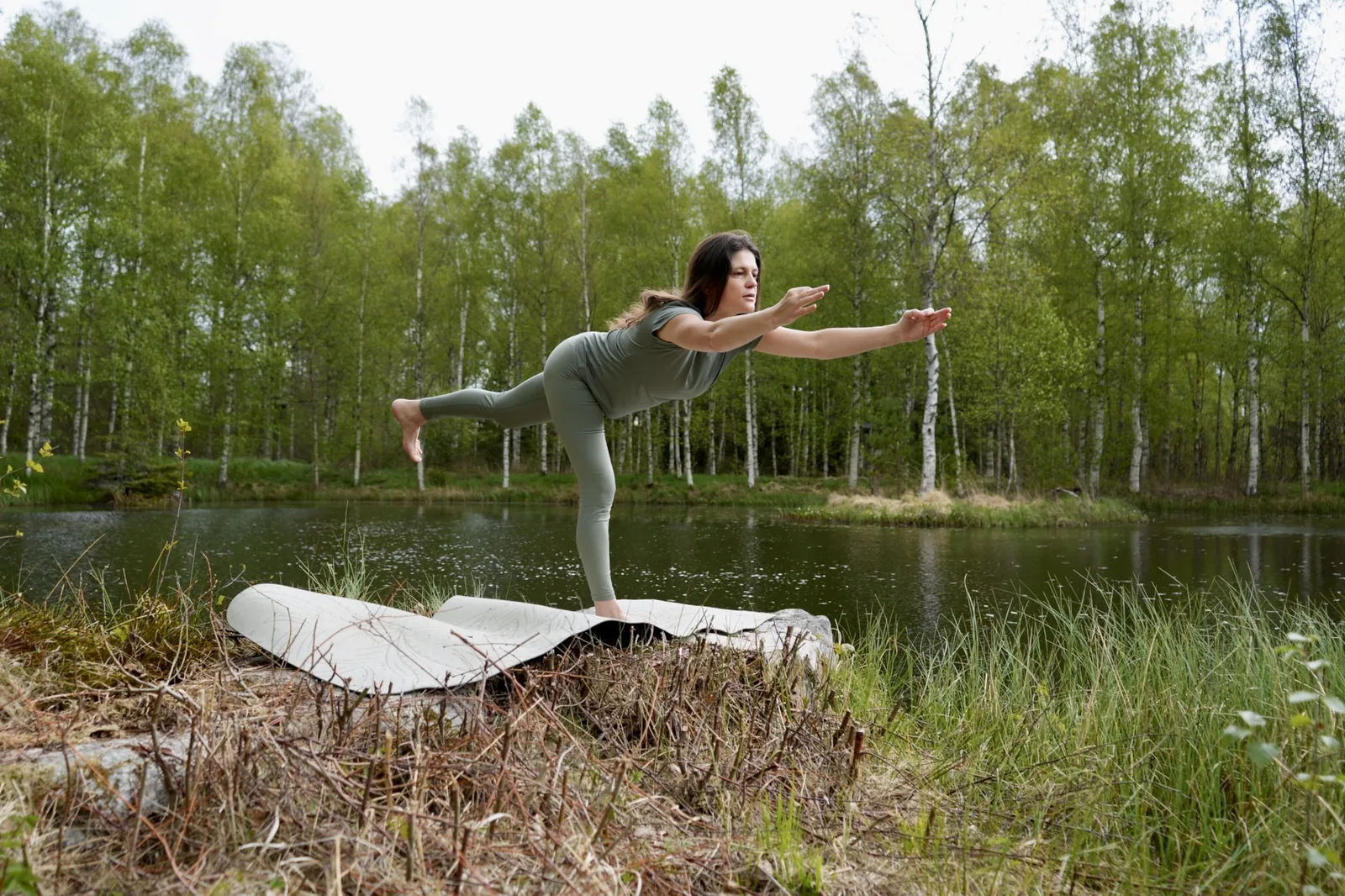
The simplest grounding practice: stand with bare feet on the floor. Feel the weight of the body pressing down. Spread the toes. Notice temperature and texture. The feet are the body’s primary point of contact with the earth — and attending to that contact is often enough to shift the nervous system state.
Belly Breathing
Placing one hand on the belly and breathing so the belly rises on the inhale. This is both a nervous system intervention and a grounding practice — it draws attention into the lower body, away from the chest and head where anxiety tends to concentrate.
Standing Poses
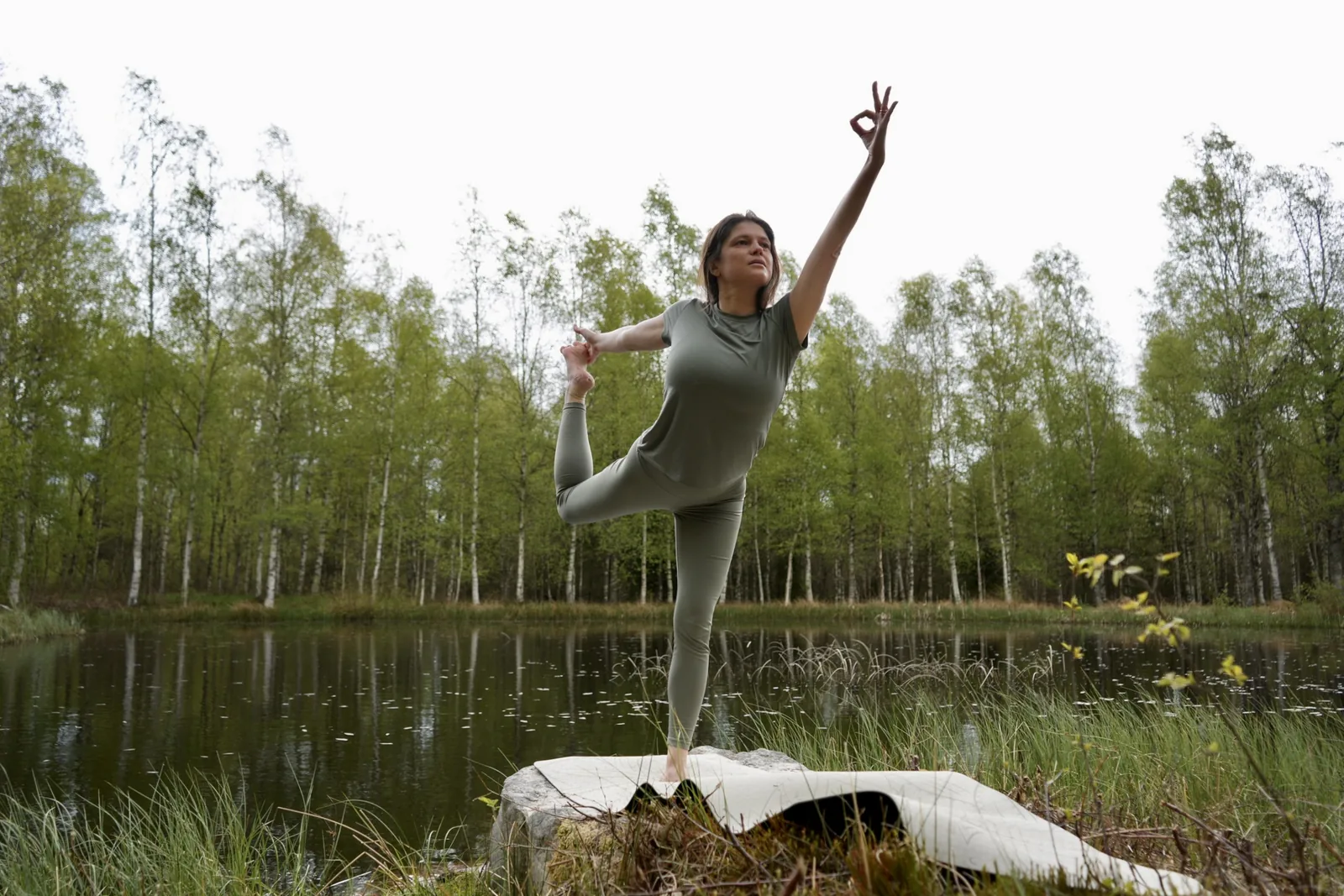
Warrior poses, mountain pose, wide-legged standing — the standing asanas create a direct, proprioceptive experience of rootedness. In the DYW practice, standing poses are often used at the beginning of a session to establish ground before moving into more vulnerable or expansive work.
5-4-3-2-1 Sensory Awareness
Naming five things you can see, four you can feel, three you can hear, two you can smell, one you can taste. This practice pulls the nervous system out of the future or the past — where anxiety lives — and into the present moment through direct sensory engagement.
Earth Connection
Direct contact with the natural world — bare feet on grass or earth, sitting against a tree, immersion in natural environments — has measurable effects on nervous system state. Many DYW practitioners find that nature contact deepens and extends the effects of formal practice.
Savasana with Weight
Lying in savasana with attention on the points of contact between the body and the floor — the back of the head, the shoulder blades, the sacrum, the calves, the heels. Feeling the weight of each part of the body pressing down. This is both grounding and deeply restorative.

“The body is the most easy way to start working with power, balance and flexibility.”
A felt sense, not
a metaphor.
In the chakra framework, Muladhara — the root centre at the base of the spine — is associated with safety, belonging, and the felt sense of being held by the earth. When this centre is unbalanced, the practitioner cannot settle. Cannot be fully present. Cannot feel safe enough to let down the vigilance that consumes energy moment to moment.
Grounding practice is not a metaphor. It is specific physical work: standing poses that build the literal relationship between the soles of the feet and the floor. Grounding breath — slower, heavier, lower in the body. A practice pace that is deliberately unhurried. Milana uses this kind of practice as a first intervention for students who are restless, cannot settle, or struggle to feel safe in their own skin.
Not because grounding is always the problem — but because until the nervous system has a reliable felt sense of ground, the deeper work has nowhere to land. The Muladhara is the foundation of the entire chakra system. Before anything else can be developed with stability, this foundation must be established — not as a belief, but as a felt, physical reality in the body.
In Jñana Yoga — the path of self-inquiry at the core of the DeepYogaWay method — this felt sense of ground is not the endpoint. It is what makes genuine inquiry possible. When the nervous system is settled and the body feels held, the questions that matter — what do I actually feel, what do I actually want, what is real beneath the surface — become answerable. Grounding is the foundation from which real self-knowledge can grow.
Go deeper
The practice layer that grounding is built on.
Tools Body AwarenessDeveloping the felt sense that makes grounding possible.
Life Challenges Yoga for AnxietyGrounding as a central tool for working with anxiety.
Programs Intro SessionExperience grounding practice in person with Milana.
Find your ground.
Everything else follows.
The intro session begins and ends with grounding — the first thing the practice teaches and the thing it keeps returning to. 75 to 90 minutes with Milana, no prior experience needed.