The Method
The DeepYogaWay method is a structured, long-term approach to personal development through yoga. It integrates six dimensions of practice — body, breath, emotion, mind, energy and integration — into one coherent path.
Rooted in the Yoga Sutras of Patanjali and the Hatha Yoga Pradipika. Designed for the real needs of the modern human.
Not a collection of classes.
A coherent path.
The DeepYogaWay method is built on a specific conviction: that yoga, practised with depth and continuity, is the most efficient, comprehensive method available for opening human potential and supporting genuine personal development.
This is not a style of asana. It is not a wellness programme. It is a structured approach to the full scope of what yoga has always worked with — body, breath, emotion, mind and energy — applied to the actual conditions of a contemporary life.
The method draws on three thousand years of yoga philosophy and practice. The Yoga Sutras of Patanjali provide the theoretical framework for working with the mind. The Hatha Yoga Pradipika grounds the somatic and breathwork dimensions. Both traditions are brought into dialogue with a modern understanding of the nervous system, somatic psychology and adult development.
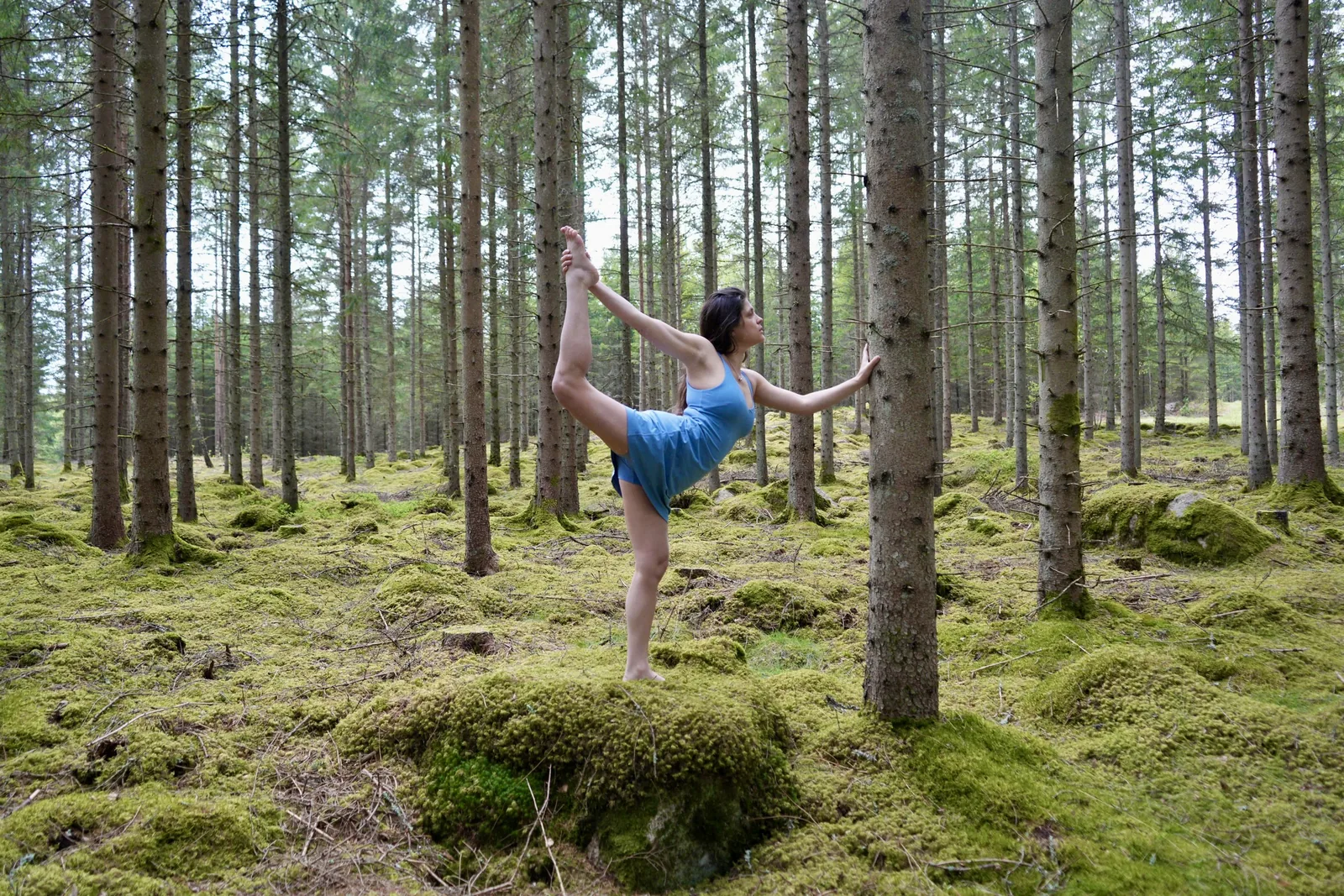
“The most efficient method that combines work with body, emotions, mind, energy to open human potential and grow. Inspired by 3000 years of tradition — flexible, and modern in its approach.”
What the method
actually works with
Each dimension is distinct. None is sufficient alone. The method works because all six are addressed simultaneously and progressively — building a complete picture of the person and the practice.
Body & Asana
Classical yoga postures practised not for shape or performance, but for sensation, inner awareness and physical intelligence. Asana is the entry point — the body as the most direct path to what is held inside.
Breath & Pranayama
Conscious breath as a tool for nervous system regulation, inner access and energetic development. The pranayama lineage from the Hatha Yoga Pradipika — applied to the real conditions of the contemporary body.
Emotion & Somatic Awareness
Emotions live in the body before they reach the mind. The method develops the capacity to feel emotional states in real time — not to suppress or dramatise them, but to work with them as information and as energy available for change.
Mind & Meditation
The Yoga Sutras of Patanjali describe the goal of yoga as the stilling of the fluctuations of the mind — not emptiness, but clarity. The method develops the capacity to observe mental patterns with honesty and find new answers that expand understanding.
Energy & Vitality
Personal energy, motivation and what the chakra system maps as the distribution of life force. Working with energy means understanding what drains and what nourishes — and beginning to live from that understanding.
Integration & Life Purpose
What is developed on the mat must enter the life. The final dimension is integration — bringing inner development into how decisions are made, how relationships are maintained, and what a person ultimately chooses to do with their time.
Not techniques.
A relationship with yourself.
The session does not begin with the body and end with the mind. It moves through them as a single process. Physical practice loosens what is held. Breath opens what movement alone cannot reach. Teaching gives language to what the body is already discovering. Stillness allows everything to settle and integrate.
What this structure produces over time is not a collection of techniques. It is a deepened relationship with yourself — a capacity to feel what is actually happening, without immediately explaining it away. Milana’s definition of meditation reflects the same logic: “a tool that we use to influence our consciousness with certain goals.” Not a relaxation. A tool with a direction.
The goal in a DeepYogaWay session is always the same: more contact with what is real. More awareness of what is actually true — in the body, in the emotions, in the mind. Less distance between who you are and how you live. The method is the vehicle. The destination is you, more fully inhabiting your own life.
How the method unfolds
in a session
A DeepYogaWay session is not structured like a standard yoga class. Each element has a specific role in the method — and the order matters.
Arrival & Grounding
Each session begins with arrival — a transition from the activity of daily life into the space of practice. This is not warm-up. It is the beginning of inner attention.
Body Practice
A full asana practice — not designed for flexibility or fitness, but for inner awareness and the development of somatic intelligence. The body is the first teacher.
Breathwork
Pranayama practice following the body work — using the breath to shift the nervous system, access deeper states and work with whatever has been opened in the body practice.
Meditation & Rest
The session closes with meditation or deep rest practice — integration at the deepest level. The most important work of the session often happens here, after the body has been prepared to receive it.
The dimensions in detail
The practice layer — what it is and how it works.
Practice BreathworkThe breath dimension — pranayama in the DYW method.
Practice Meditation PracticeThe mind dimension — observing and expanding the system.
Practice Nervous System PracticeSomatic regulation as the foundation for inner work.
Programs How We WorkThe format and structure of DYW sessions in full detail.
Start Here What is DeepYogaWay?The full picture of the practice and what it offers.
Experience the method
in a single session.
The best way to understand the method is to experience it. The intro session — 75 to 90 minutes with Milana — gives you the full structure in a single, no-commitment session.